What Is a Low-Carb Diet? The Ultimate Beginner’s Guide
If you walked into a grocery store 50 years ago, things looked very different. There were fewer boxes, fewer specialized "diet" foods, and significantly lower rates of obesity.
Today, we are surrounded by sugar. It’s in our bread, our sauces, our drinks, and even our "healthy" low-fat yogurts. The result? A metabolic crisis.
A Low-Carb Diet isn't just a weight loss strategy; it's a return to the way humans ate for thousands of years. It’s about limiting the foods that spike your blood sugar (carbohydrates) and replacing them with foods that provide sustained energy (fats and proteins).
But how does it actually work? And do you have to give up bread forever? Let’s break it down.
The Science Simply Explained: It’s All About Insulin
Many people think weight loss is just "Calories In vs. Calories Out." While calories matter, hormones matter more.
When you eat carbohydrates (bread, pasta, sugar, rice), your body breaks them down into glucose (sugar) in your blood. Your pancreas responds by releasing Insulin.
🔑 The Key concept
Insulin is a storage hormone. Its job is to take energy from your blood and store it in your cells. When insulin is high, your body is in "Fat Storage Mode." It effectively locks the doors to your fat cells, preventing you from burning body fat for energy.
When you restrict carbohydrates, your blood sugar remains stable, and insulin levels drop. When insulin is low, your body shifts into "Fat Burning Mode." It unlocks your fat stores and begins using them for fuel. This is why low-carb diets often result in rapid weight loss, even without intense exercise.
The 3 Types of Low-Carb Diets
"Low Carb" is an umbrella term. Depending on your goals, you might fall into one of these three categories:
1. Ketogenic Diet (Strict Low-Carb)
Limit: Under 20g net carbs per day.
Best for: Rapid weight loss, reversing Type 2 diabetes, managing epilepsy.
This is the strictest form. By eating extremely low carb, your body enters a metabolic state called Ketosis, where your liver produces ketones for fuel. This is a high-fat, moderate-protein approach.
Not sure if Keto is right for you? Take this quick quiz to find out.
2. Moderate Low-Carb
Limit: 20g – 50g net carbs per day.
Best for: Steady weight loss, easier social life.
This allows for more vegetables and perhaps some berries. You might fluctuate in and out of ketosis, but you will still experience significant weight loss benefits.
3. Liberal Low-Carb
Limit: 50g – 100g net carbs per day.
Best for: Maintenance, active athletes.
Once you’ve reached your goal weight, many people transition here. You can enjoy some fruits and starchy vegetables (like sweet potatoes) while still avoiding refined sugar and flour.
What You Can Eat (and What to Avoid)
The rules are simple. Focus on whole, unprocessed foods found in nature.
✅ EAT FREELY
- Meat: Beef, pork, chicken, lamb (Fat is flavor, don't trim it!).
- Fish: Salmon, trout, sardines, mackerel.
- Eggs: Boiled, fried, scrambled, omelets.
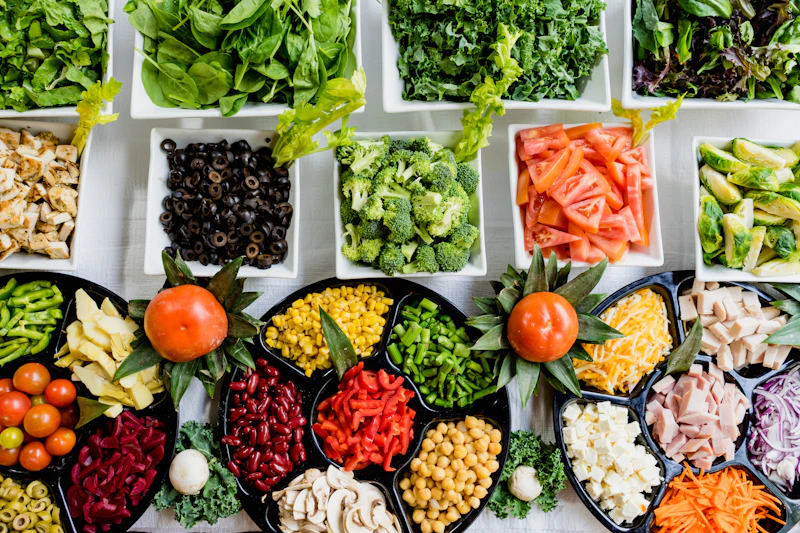
- Above-Ground Vegetables: Spinach, broccoli, cauliflower, cabbage, zucchini, kale.
- Natural Fats: Butter, olive oil, coconut oil, lard.
- Dairy: Cheese, heavy cream, full-fat Greek yogurt.
❌ AVOID
- Sugar: Soft drinks, candy, fruit juice, sports drinks, chocolate, cakes.
- Starch: Bread, pasta, rice, potatoes, french fries, chips, porridge, muesli.
- Margarine: Industrial seed oils looking like butter.
- Beer: Liquid bread. (Dry wines are okay in moderation).
Common Myths BUSTED
myth 1: "Your brain needs sugar to function."
Truth: False. Your brain needs glucose, but your body can make all the glucose it needs from protein via a process called gluconeogenesis. Furthermore, once adapted, your brain loves running on ketones—many people report increased mental clarity and focus.
Myth 2: "Eating fat makes you fat."
Truth: False. Dietary fat does not simply become body fat. In the absence of high insulin (from carbs), dietary fat is burned for energy. Sugar and refined carbs are the primary drivers of obesity.
5 Steps to Start Today
- Clean Your Environment: Throw away the sugar, flour, and pasta. If it's not in the house, you can't eat it.
- Drink Water + Salt: When you cut carbs, your kidneys flush out sodium. Drink water and don't be afraid to salt your food to prevent the "Keto Flu."
- Eat When Hungry: Stop snacking out of boredom. If you eat enough fat at meals, you won't be hungry for hours.
- Prioritize Protein: Build every meal around a protein source. Then add veggies and fat.
- Be Patient: Your body needs 1–2 weeks to adapt to burning fat instead of sugar. Give it time.
Ready to Commit?
Reading is easy. Doing is hard. If you want a structured plan to guide you through the first month of your journey, ensuring you don't make common mistakes:
Join the 28-Day Keto Challenge →